
MEANING, PLEASE
‘Great photographs all tell stories’, the story goes, as I was once reminded by a famous photographer who warned me that if I were to be serious about photography, I had to tell stories with my pictures. And then I heard it all over again, pouring from everywhere: tell a story, tell a story, tell a story however you deem appropriate, by way of aesthetic, location, purpose or else, but do tell a story because, well, great photographs tell stories.
So I tried and tried and mostly failed at telling stories with my pictures until I realized that the purpose of a photograph, to me, was not to tell a story… solely… or even necessarily. The purpose of a photograph was to convey meaning. Which somewhat differed from telling stories.
Indeed, storytelling and meaning are dual concepts which seem to overlap because it is often assumed that a story, any story, has some kind of meaning embedded in its telling.
In reality, storytelling in itself does not necessarily equate to conveying meaning. Take Hollywood blockbuster movie culture, for example: it mostly forbids meaning or substance of any kind because it deems it less captivating and less profitable. So it rewards the telling of highly budgeted senseless stories and therefore yields storytelling for the sake of storytelling which, in any art form, means very little without meaning.
Meaning, however, is the real crux of art making in general and photography in particular. In my opinion, the appeal of a meaningful photograph renders aesthetics moot and storytelling relative. A standout single photograph, one that I believe should have meaning while standing on its own needs not telling a story besides that of its meaning. Simply put, meaning itself should be the main story being told by the photograph.
This is, at least, the approach I landed on by trial and error as I saw it benefiting my experimentation with photography and giving it the nod to roam free. No more was there a need to research a storyline with every shutter press; if a story there was to be told, it would tell itself as long as there was meaning in the making of the picture.
Moreover, I found this approach to be much more challenging and therefore much more creatively rewarding, especially when duplicated to more than one picture in a series, because it opened a chance for deeper understanding of the artist’s intent.
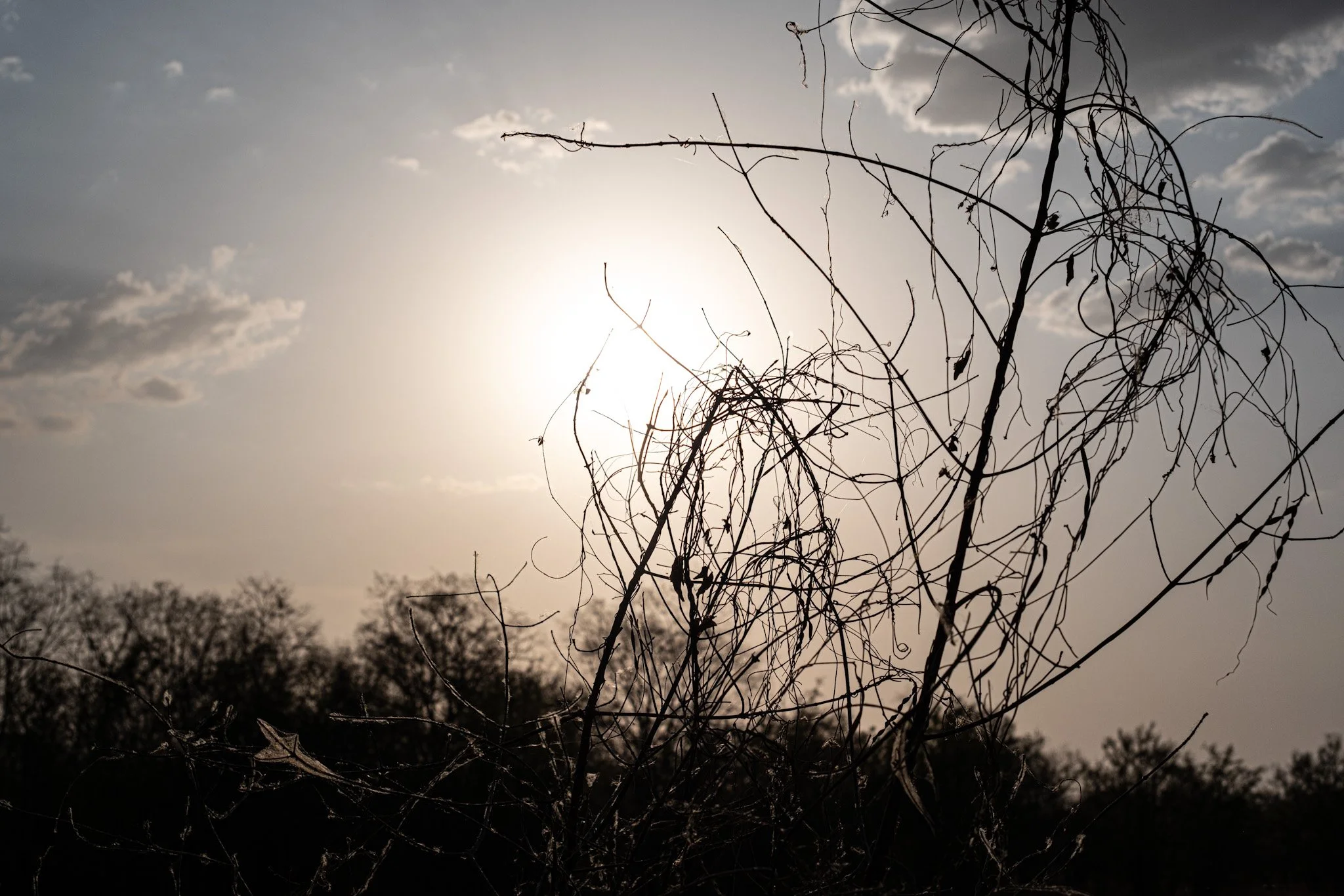
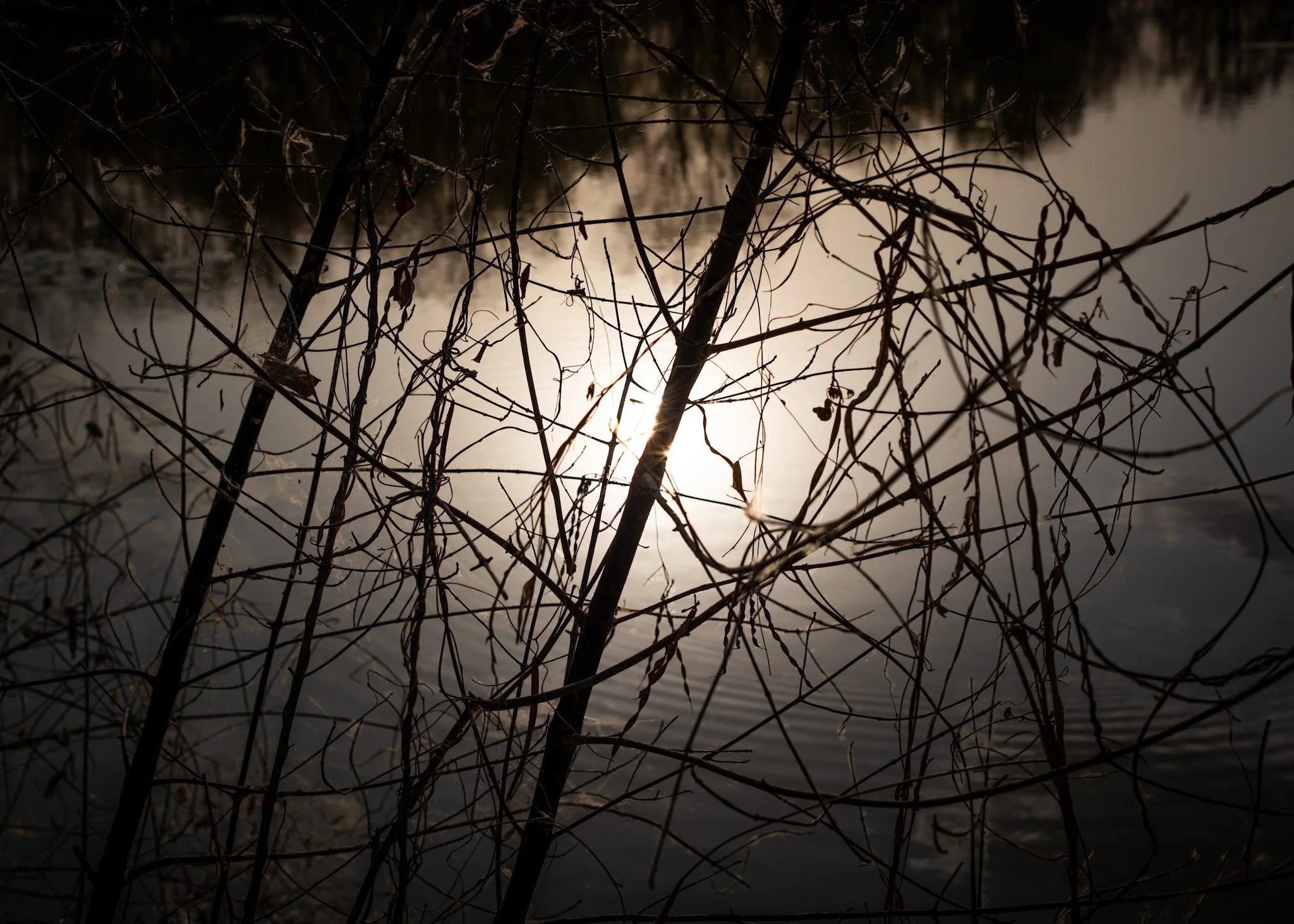
Case in point, the following two pictures, taken a few minutes apart, which both jumped at me as visual interpretations of moments following and preceding death. The first picture pertains to what the afterlife may actually entail, when pictured from the inside out as if looking from the grave up, whereas the second picture, a prequel of sorts, down-facing, has to do with the unavoidability and the acceptance of death from the outside looking in (i.e. prior to dying). Both pictures metaphorically acknowledge death, from their vantage point, but I doubt they tell a wider story about the afterlife.
Or maybe they do so and my whole point is mistaken. Still, in their brevity, they suffice to carry personal significance about a subject I dare to ponder and dare to convey visually. This, I realized, is all I ask of my photographs.
FREE AT LAST
COME WHAT MAY